Cambodia Online Journalists Charged with Treason over Border Conflict
By Teng Yalirozy Cambodianess, Tuesday, September 9, 2025
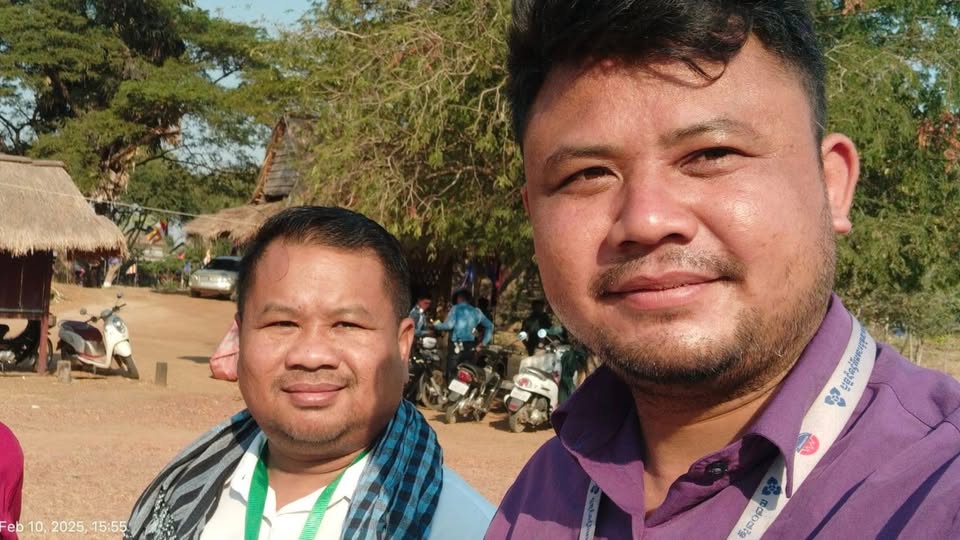
The journalists, Porn Sopheap and Pheap Pheara, both reporters with TSP 68 TV Online, were arrested on July 31 shortly after returning from a reporting trip in Oddar Meanchey province, just days after a ceasefire was declared along the border. They have since been held in pre-trial detention at Siem Reap prison. Photo: LICHADO.
PHNOM PENH — Two Cambodian online journalists are facing treason charges over their reporting on the recent border conflict with Thailand, raising alarm among press freedom advocates who say the case highlights growing risks for reporters covering sensitive national security issues.
The journalists, Porn Sopheap and Pheap Pheara, both reporters with TSP 68 TV Online, were arrested on July 31 shortly after returning from a reporting trip in Oddar Meanchey province, just days after a ceasefire was declared along the border. They have since been held in pre-trial detention at Siem Reap prison.
On September 8, human rights group LICHADO announced that the Siem Reap Provincial Court had charged them under Article 445 of the Criminal Code, which accuses them of “supplying a foreign state with information prejudicial to national defense.” The charge carries a sentence of seven to fifteen years in prison.
Am Sam Ath, operations director of LICHADO, said the organization had only recently received the case file and was still conducting a detailed review.
“It is unclear which specific social media posts are the reason for the charges,” he said. “Only the authorities know the information. But we will continue to closely monitor the case.”
LICHADO noted that both reporters appeared in a photograph taken in front of Ta Krabei Temple alongside several Cambodian soldiers after the July 28 ceasefire. The image circulated widely in Thai media, which claimed it showed unmarked landmines in the background.
On September 1, Om Sarath, the wife of Pheap Pheara, issued a public apology on the outlet’s Facebook page, directly appealing to Senate President Hun Sen and Prime Minister Hun Manet to intervene in her husband’s case.
Cambodianess also attempted to reach Sarath for additional comments, but she had not responded as of press time.
When contacted, Yin Sreang, spokesperson for the Siem Reap Provincial Court, said he needed more time to review the case before commenting further.
At the government level, Tep Asnarith, spokesperson for the Ministry of Information, told Cambodianess that he had not yet received details from the relevant authorities. He stressed, however, that the Cambodian Constitution and the Law on the Press Regime guarantee the rights and freedoms of journalists.
“Journalists must exercise their rights responsibly, in line with the law,” Asnarith said. “They must act with conscience, uphold national interests, and respect professional ethics. Broadcasting information that undermines national security or social stability cannot be justified.”
Civil society groups say the case underscores the precarious position of independent reporters. Nob Vy, executive director of CamboJA, noted that arrests of journalists have risen during the border tensions with Thailand.
“Some journalists may not even realize they are in restricted zones, which creates misunderstandings,” he said. “In this case, I believe the reporters simply took a photograph without being aware of the consequences.”
Vy urged the authorities to apply leniency when journalists unintentionally violate restrictions in the pursuit of public information.
“I call on the authorities to clearly define restrictions and provide guidelines so journalists can avoid such incidents,” he added. “CamboJA will continue to follow the case closely, though it is too early to determine what support we can provide.”
The arrests come amid broader concerns about Cambodia’s shrinking media space. A recent CamboJA report found ten cases of violations against journalists and media outlets in the second quarter of 2025 — a 29 percent decrease from the previous quarter. However, the organization warned that this decline does not necessarily signal improvement, pointing instead to growing self-censorship.
The report concluded that while a handful of independent outlets continue to operate, the majority of Cambodian media organizations remain aligned with government positions, leaving little room for critical or sensitive reporting.
SOURCE: Cambodianess, Cambodia, Tuesday, September 9, 2025


Recent Comments