Climate Disinformation Threatens Indigenous Communities in Cambodia, Report Warns
By Teng Yalirozy Cambodianess May 26, 2026
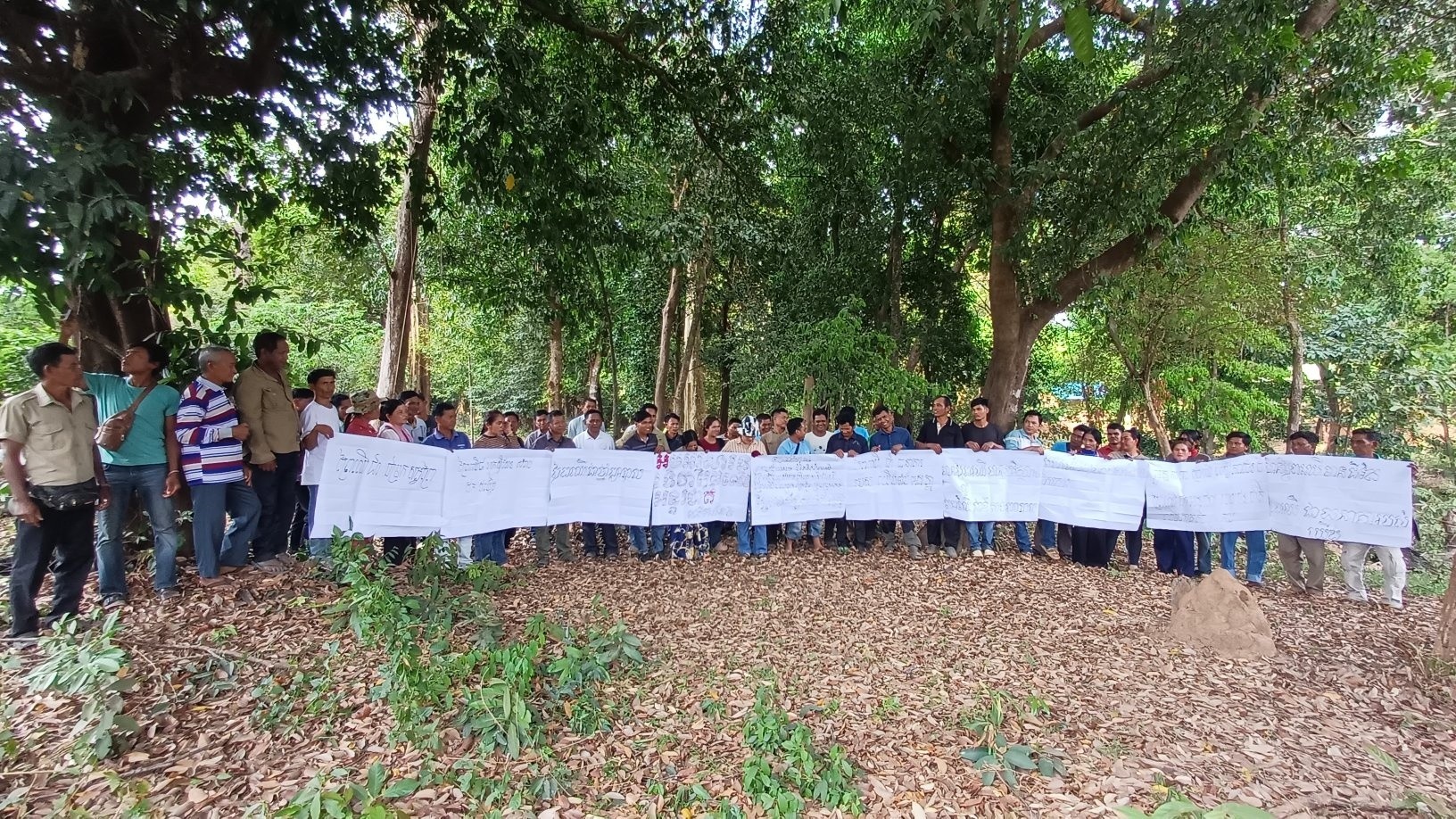
Photo shows Prey Lang community networks from all four provinces celebrated International Forest Day under the theme Forests are Life on March 21, 2026. Photo: ព្រៃឡង់ – Prey Lang
PHNOM PENH — Climate disinformation is spreading through some of Cambodia’s most vulnerable indigenous communities, with researchers and media advocates warning that official narratives, corporate greenwashing and weak environmental reporting are making it harder for communities to defend their forests and land rights.
As disputes over carbon credit schemes, mining concessions and hydropower projects intensify, experts say many indigenous communities are being sidelined by narratives portraying destructive development projects as environmentally sustainable.
A report released last August by the Asia Centre found that government agencies and private corporations frequently promote projects through high-profile tree-planting campaigns, “green development” initiatives and sustainable forestry rhetoric while indigenous communities continue to face displacement, forest loss and shrinking access to natural resources.
The report argues that these campaigns often create an image of environmental progress while concealing the long-term impacts of logging, mining and land concessions in indigenous territories.
Researchers also found that local authorities use verbal disinformation to pressure villagers into supporting government-aligned narratives, particularly in remote areas where internet access remains limited and many indigenous residents face language barriers.
Community members are often threatened with legal action or intimidation if they challenge official claims, according to the report.
The study specifically named companies including Think Biotech and Late Cheng Mining Development, accusing them of using environmental branding and “sustainable forestry” language to mask logging and mining operations.
“The projects are presented as green or sustainable, but communities on the ground are seeing forests disappear,” the report stated.
James Gomez, director of Asia Centre, said climate disinformation remains a major concern in Cambodia because official narratives often dominate public discussion while independent reporting on environmental issues remains limited.
“For now, the most immediate response may have to come from the media sector itself,” Gomez said.
He said news organizations need to invest more heavily in climate and environmental reporting instead of relying largely on official statements and government announcements.
“Journalists need to move beyond repeating official claims and examine what these projects are actually doing to forests and local communities,” Gomez said.
He added that stronger fact-checking practices and deeper collaboration with civil society organizations, researchers and indigenous communities would help prevent misleading narratives from becoming normalized.
According to Gomez, constructive journalism does not mean soft reporting or avoiding criticism. Instead, he said it requires reporters to examine competing claims, verify environmental data and focus on the real impacts of policies and development projects.
Gomez also pointed to the growing use of satellite imagery, community-generated evidence and independent environmental monitoring as valuable tools for journalists and local communities.
While such initiatives remain limited in Cambodia, he said they are becoming increasingly important in documenting deforestation and land-use changes in remote areas where independent access is often difficult.
“Independent evidence helps communities challenge claims that may not reflect realities on the ground,” Gomez said. “It also helps build trust between authorities, local communities and civil society groups.”
He said greater recognition of independent environmental data should begin through cooperation at the provincial level before gradually expanding into national forest and land governance systems.
Spokesperson for the Ministry of Environment Khvay Atitya defended the government’s environmental policies, saying Cambodia remains committed to protecting biodiversity, conserving natural resources and addressing climate change.
He said the government aims to reduce greenhouse gas emissions by 55 percent by 2035 across five major sectors under Cambodia’s updated Nationally Determined Contribution plan submitted to the United Nations.
Atitya also pointed to conservation programs and environmental action plans as evidence of Cambodia’s commitment to sustainability and green economic growth.
Cambodia’s indigenous population accounts for roughly 3 percent of the country’s estimated 17 million people. The government officially recognizes 24 indigenous groups, including the Bunong, Jarai, Kreung, Kui and Tompoun communities, most of whom live in the forested northeast.
For many indigenous families, forests and farmland remain central to daily survival, culture and spiritual traditions tied closely to the natural environment.
Rights groups and environmental activists have repeatedly warned that indigenous communities are often among the first affected by logging, mining, land concessions and large-scale projects promoted as environmentally sustainable development.


Recent Comments