Migrants seen as key to development as Cambodia weighs labour policy reform
Nngo Check Tay and Raksmey Hong The Phnom Penh Post Fri, May 29, 2026
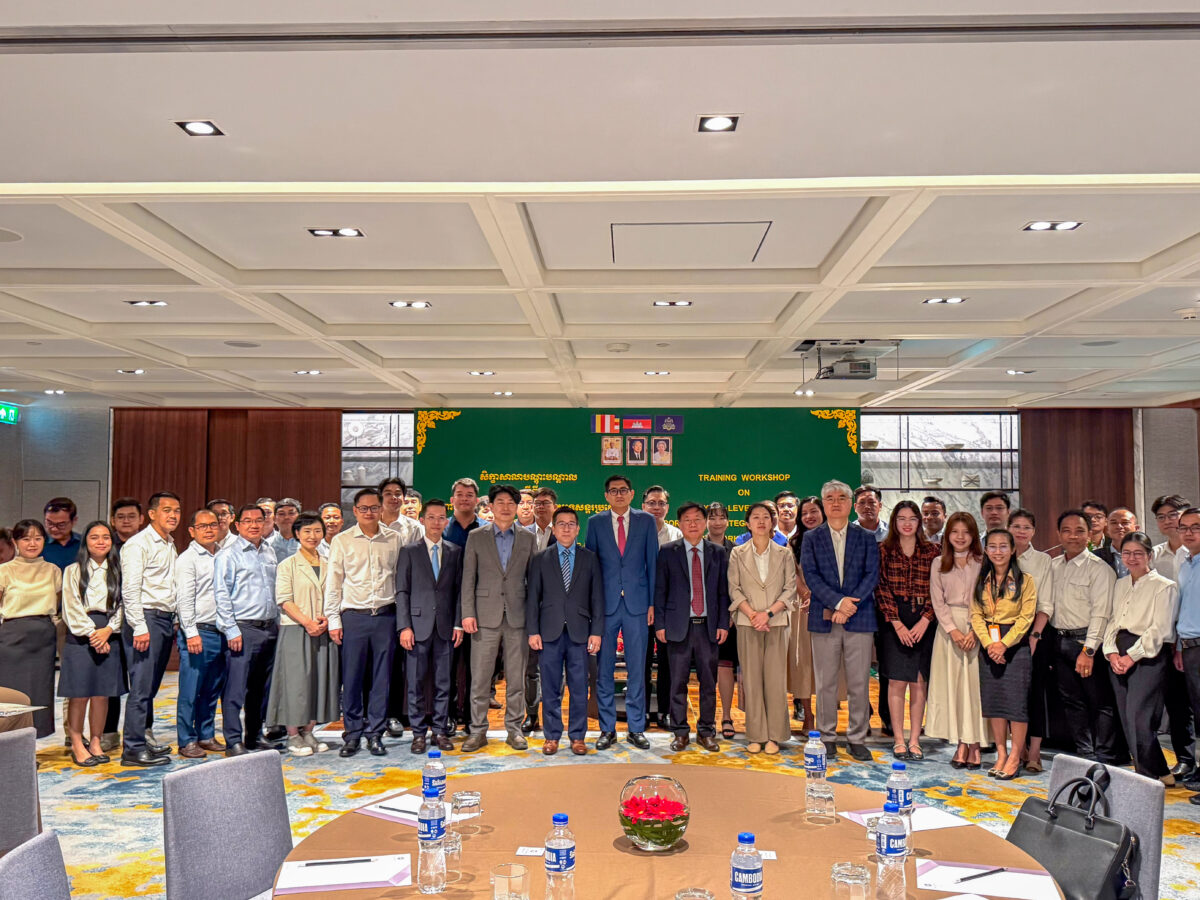
Cambodian labour officials, international organisations and South Korean partners have renewed calls for stronger protections and reintegration support for migrant workers, underscoring the sector’s growing importance to the Kingdom’s economic development.
The issue was highlighted during a migrant worker policy improvement workshop, held in Phnom Penh on May 28, where officials, labour specialists and development partners discussed ways to strengthen labour migration governance and improve support systems for Cambodians who work overseas.
The event, organised by the Human Resources Development Service of Korea (HRDK) and implemented by the Human Resource Competency Center (HRCC), brought together around 50 participants.
Speaking in a video message, HRDK executive director Kwon Ki-Mok praised Cambodia’s efforts to improve migrant worker welfare and called for policies that better reflect workers’ experiences.
“I deeply appreciate the hard work of the Cambodian Ministry of Labour and Vocational Training for their commitment to migrant workers. I hope this workshop will lead to advanced policy improvements that reflect the voices on the ground,” he said.
Labour migration remains an important source of income for many Cambodian households, with workers employed abroad sending remittances that help support families, education and local businesses.
Policymakers increasingly view migrant workers not only as contributors to household livelihoods but also as an important component of national economic growth.
Kem Chamroeun, deputy director-general of the General Department of Labour, outlined the government’s achievements in labour migration management and shared the ministry’s future vision for migrant worker policies.
According to organisers, discussions focused on strengthening the broader migrant worker ecosystem, addressing implementation gaps and identifying ways to improve support services for workers before departure, during employment overseas and after returning home.
The workshop also examined international experiences that could help inform Cambodia’s future policy direction.
Vorn Veth, a project coordinator with the International Labour Organization (ILO), presented an overview of Cambodia’s labour migration landscape, including migrant worker statistics, legal frameworks governing labour migration and some of the challenges returning workers face.
He also discussed the ILO’s efforts to support safer migration and improve labour migration governance.
Professor Oh Jung-Eun of Hansung University in South Korea highlighted global migration trends and reviewed policy approaches adopted by labour-exporting countries such as the Philippines and Indonesia.
The presentation explored how successful reintegration programmes, worker protection mechanisms and institutional support systems in those countries could offer lessons for Cambodia as it seeks to strengthen its own migration policies.
The workshop concluded with group discussions in which participants examined key challenges facing Cambodian migrant workers and proposed practical policy recommendations.
Organisers said the recommendations will be reviewed and incorporated into a final report aimed at supporting future policy development.
In his closing remarks, the HRCC director emphasised the economic significance of migrant workers, noting that their labour and remittances make substantial contributions to Cambodia’s development.
The director also drew parallels with South Korea’s own development experience, noting that overseas Korean workers played a significant role in supporting the country’s economic transformation during earlier stages of its development.
Participants expressed hope that the discussions would contribute to more comprehensive labour migration policies that not only protect workers abroad but also help returning migrants reintegrate into Cambodia’s economy and society.
As Cambodia continues to rely on overseas employment opportunities for a portion of its workforce, experts said strengthening worker protections and creating pathways for returning migrants to contribute their skills at home will be increasingly important to the country’s long-term development goals.
https://phnompenhpost.com/national/migrants-seen-as-key-to-development-as-cambodia-weighs-labour-policy-reform/?fbclid=IwY2xjawSGV95leHRuA2FlbQIxMABicmlkETBXa000NHgybEhyekM2RnNJc3J0YwZhcHBfaWQQMjIyMDM5MTc4ODIwMDg5MgABHqKwbGHLuxlnETlaSuDP6nyMoGVyKq5nwfTtUWlwCbE7qF4xAzQ-C6LT2_CK_aem_T9y5SgpEVRU4aI0fm-QLWA


Recent Comments