Cambodia government, media advocates clash over implications of journalist convictions
Raksmey Hong The Phnom Penh Post Tue, June 30, 2026
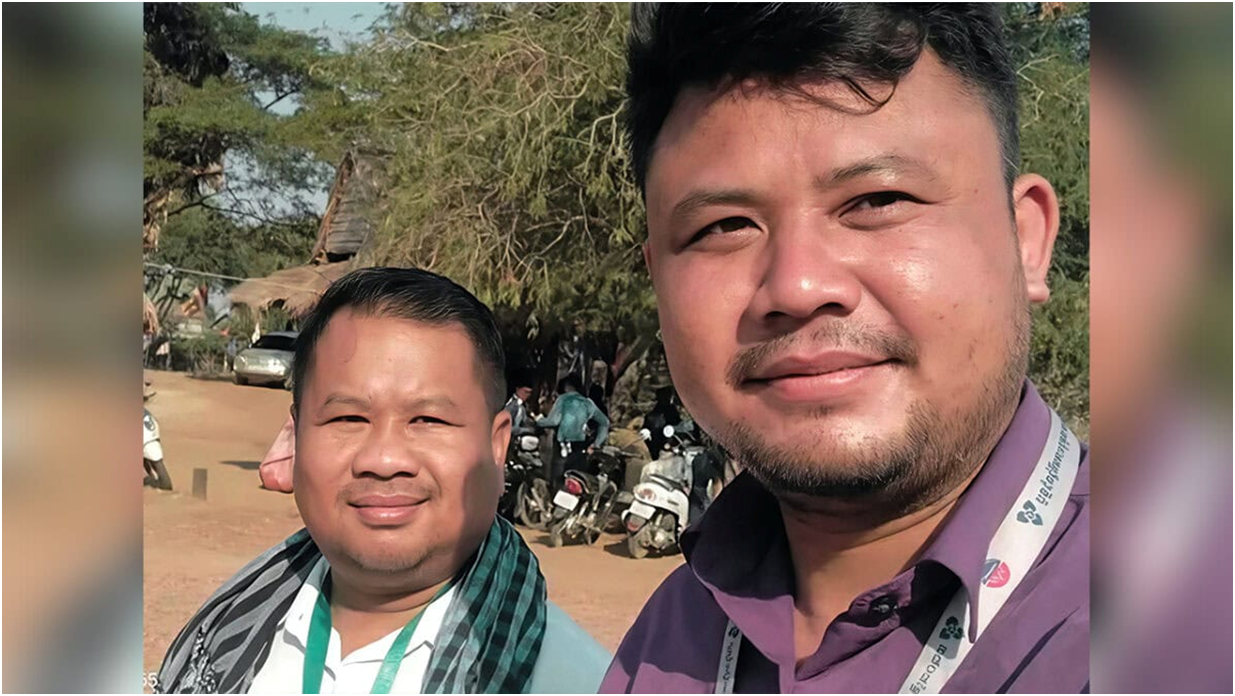
The Supreme Court has upheld the 14-year sentences of two journalists for ‘supplying a foreign state with information prejudicial to national defence’. Supplied
PHNOM PENH – The Cambodian government and media advocates have offered sharply contrasting interpretations of the Supreme Court’s decision to uphold the 14-year prison sentences of two online journalists, with officials insisting ethical journalism remains fully protected while press freedom groups warn the ruling could deter reporting on sensitive national issues.
The debate follows Thursday’s Supreme Court verdict affirming the convictions of online journalists Pheap Pheara of TSP 68 TV Online and Phorn Sopheap of Battambang Post TV Online for “supplying a foreign state with information prejudicial to national defence” under Article 445 of the Criminal Code. The pair had previously received 14-year prison terms from the Siem Reap Provincial Court in December 2025, a verdict later upheld by the Battambang Appeal Court.
The two journalists were arrested separately on July 31, 2025, after returning from delivering humanitarian aid packages to Cambodian soldiers along the Cambodia-Thailand border during the border conflict. Authorities said the charges stemmed from Facebook posts made while they were reporting in Oddar Meanchey province between July 25 and 31, 2025.
Prior to their arrests, the journalists had appeared in a photograph with Cambodian soldiers in front of Ta Krabei Temple following the July 28 ceasefire. The image was later republished by Thai media outlets that claimed it showed landmines in the background, although the location was not identified.
Responding to concerns raised by the case, Ministry of Information spokesperson Tep Asnarith stressed that Cambodia fully respects press freedom but said journalists, like all citizens, must distinguish between legitimate journalism and conduct that violates the law.
“Cambodia fully respects press freedom and the vital role of journalists in a democratic society,” he said.
“However, journalists — like all citizens — must distinguish between legitimate journalism and conduct that violates the law. Freedom of expression is a protected constitutional right, but it is not unlimited, nor does it provide immunity from criminal liability,” he added.
He insisted that the law protects journalism while also safeguarding national security, political stability and national defence.
Asnarith said the information ministry has established specific mechanisms to protect journalists who perform their duties professionally, ethically and in accordance with the law.
He said journalists who adhere to professional ethics are entitled to legal protection and social support from the ministry, adding that those reporting public-interest issues responsibly and within the framework of the Press Law “should not worry about criminal prosecution.”
The ministry is also encouraging disputes involving technical or professional mistakes in news reporting to be resolved first through mediation and the Press Law before criminal proceedings are considered.
He added that the ministry continues to organise training programmes on the Journalists’ Code of Ethics, media law and reporting in vulnerable and border areas to ensure both journalists’ safety and the protection of national security during times of crisis.
However, media organisations argued that the ruling sends a different message to working journalists.
Cambodian Journalists Alliance Association (CamboJA) executive director Nop Vy said he regretted the Supreme Court’s decision, describing the sentence as excessively severe and warning that it could undermine ongoing efforts to improve press freedom in Cambodia.
“The decision will have a negative impact on efforts to improve press freedom in Cambodia,” he said.
Vy said the ruling is likely to make journalists more fearful of reporting on border disputes and military tensions, particularly issues relating to the Cambodia-Thailand frontier.
He warned that such concerns could ultimately reduce the amount of information available to the public on matters of significant national interest.
“For me, a 14-year prison sentence is extremely severe for both journalists,” he said.
“I still hope they can receive clemency through another mechanism so they can regain their freedom and reunite with their families,” he added.
The Cambodian League for the Promotion and Defence of Human Rights (LICADHO) also expressed disappointment with the verdict.
In a statement issued after the ruling, the organisation noted that the two journalists have remained in pre-trial detention in Siem Reap Provincial Prison since their arrests and are among the 117 prisoners of interest documented by LICADHO.
Speaking to The Associated Press after Thursday’s verdict, LICADHO operations director Am Sam Ath suggested the case should have been handled under Cambodia’s Press Law rather than the Criminal Code.
“They are journalists, and I think that when they make mistakes related to their articles or their professionalism, they should be convicted according to the Press Law, not the Penal Code like this,” he said.
Asnarith noted that the ministry will continue expanding training and orientation programmes for journalists on the Journalists’ Code of Ethics, media law and other relevant regulations.
Particular attention, he said, will be given to reporting from vulnerable and border areas to help journalists conduct their work safely while ensuring their reporting respects national security and the public interest during times of crisis.
“The ministry will continue organising professional training on reporting in border areas so that journalists can safeguard both their own safety and national security while serving the public interest,” he said.
SOURCE: THE PHNOM PENH POST, CAMBODIA June 30, 2026


Recent Comments